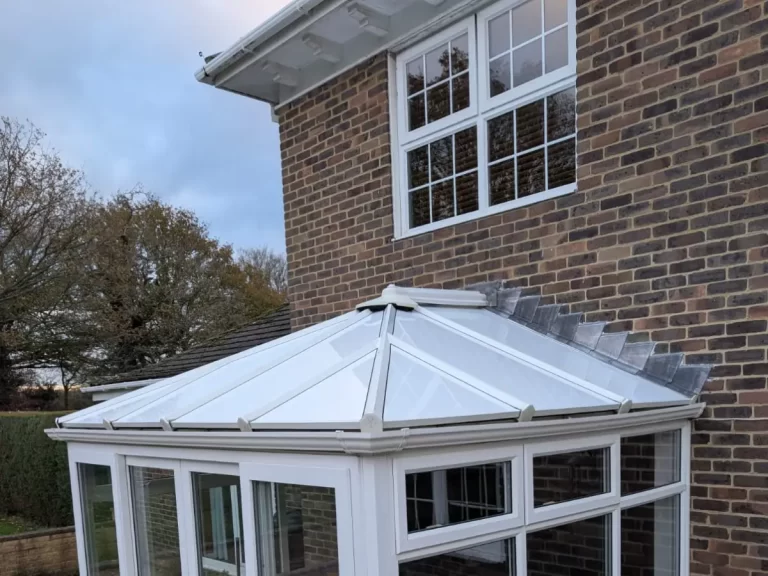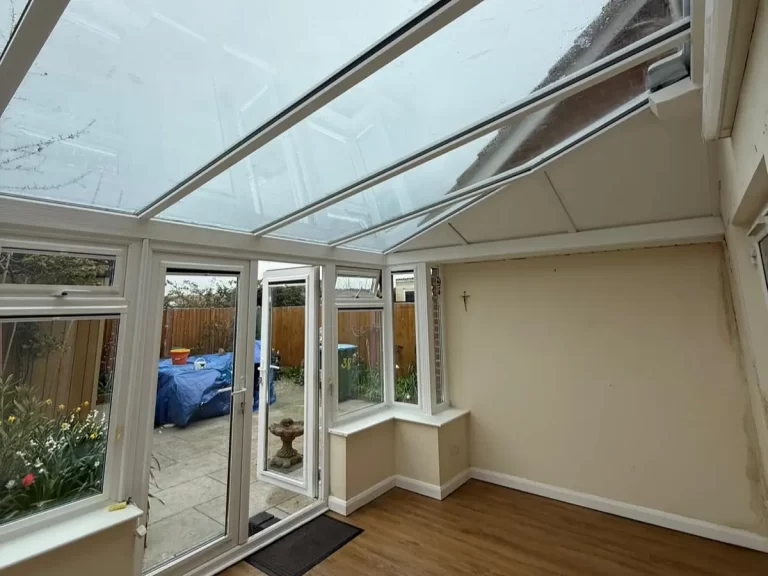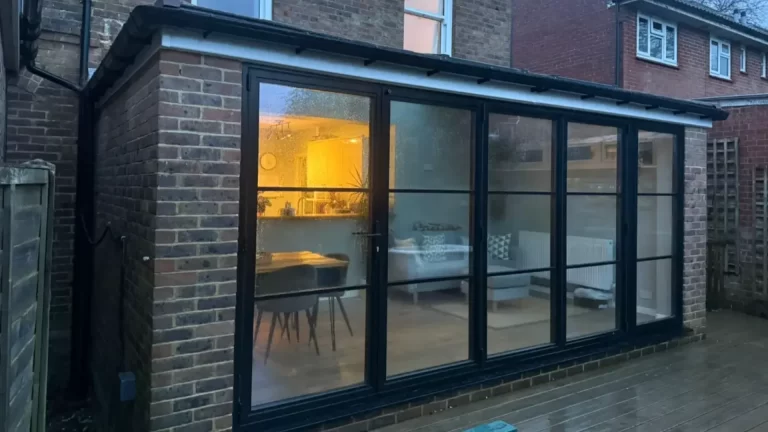



Have you ever wondered whether replacing your conservatory’s roof with elegant tiles might compromise its safety? Picture your conservatory transformed into a cosy, energy-efficient haven, yet facing structural challenges without proper approval.
In this blog, we explore why building regulations are essential for tiled conservatory roofs – they safeguard structural integrity, ensure energy efficiency, and uphold safety standards.
Did you know that, according to the UK Government's Planning Portal, over 75% of such roof modifications require building regulations approval? Keep reading as we unpick when and how building regulations for conservatories apply, and what steps you need to take.
What Are Building Regulations and Why Do They Matter?
Building regulations are statutory standards that ensure any home improvement project – including conservatory roof upgrades – meets safety, structural, and energy efficiency criteria.
Unlike planning permission, which focuses on the aesthetic and environmental impact of a development, building regulations are concerned with the technical and safety aspects of construction. They set out clear benchmarks for insulation, ventilation, fire safety, and structural integrity, ensuring that your project is safe and compliant.
For conservatories, these regulations are vital because converting a glazed roof to a tiled one changes the structural dynamics significantly. When you install a solid, tiled roof, the added weight and change in thermal performance mean your conservatory must meet specific "conservatory building regulations" to safeguard against potential hazards.
Among these regulations are stipulations that the structure can support the additional load, and that all fixed electrical and insulation installations comply with current standards.
Adhering to building regulations for conservatories not only ensures better levels of comfort and efficiency for your home but also protects your investment. This rigorous oversight helps prevent issues such as structural failure or energy wastage and can even add value to your property.
If you're planning to upgrade your conservatory roof, it's crucial to understand the relevant guidelines and work with a professional company like Ecozenic, which can guide you through the approval process.
Do You Need to Follow Building Regulations for a Tiled Conservatory Roof?
When you replace a glass or polycarbonate conservatory roof with a solid, tiled roof, conservatory building regulations need to be followed as the alteration leads to significant changes.
For instance, a tiled roof significantly alters the structure – the additional weight increases the load on your conservatory’s framework, while the change in thermal performance can affect insulation and overall stability.
Building regulations for conservatories are in place to ensure once the conversion is completed, it’ll be safe to occupy (e.g., the structure won’t collapse), and the insulating performance won’t be impacted. Note that conservatories with 75% translucent roofs and 50% glazed sides are exempt from building regulations.
Key Areas Building Regulations Cover for a Tiled Conservatory Roof
Building regulations for conservatories, as briefly mentioned above, address several key aspects of tiled roof installations. These regulations ensure that your home upgrade is both safe and energy efficient, addressing the following critical aspects:
- Structural Integrity: Ensuring the conservatory frame and foundations are robust enough to support the additional weight of a solid, tiled roof.
- Thermal Efficiency: Meeting energy efficiency standards by providing adequate insulation and achieving low U-values, which help maintain a comfortable temperature throughout the year.
- Ventilation: Maintaining proper airflow to prevent condensation and damp issues, essential for avoiding potential damage and discomfort.
- Fire Safety: Ensuring that the roof meets stringent fire resistance standards, a vital consideration especially for terraced and semi-detached homes.
How to Get Building Regulations Approval
Getting building regulations approval for your tiled conservatory roof is a straightforward process when you know the steps.
First, you’ll need to contact a building control body – either your local council’s building control department or a private inspector approved by a recognised scheme. They will assess your project details, ensuring that the new roof meets safety, structural, and energy efficiency standards.
Here’s a simple outline of the process:
- Pre-Application: Gather all necessary plans and specifications, including structural drawings, insulation details, and electrical installation plans.
- Submission: Submit your application along with the detailed documentation to your chosen building control body. They’ll review your plans against current conservatory building regulations.
- Inspections: During construction, regular inspections are carried out to confirm that all work complies with building regulations. This may include checking the conservatory’s frame, foundations, and installation of fixed electrical systems.
- Completion and Certification: Once the work is finished, a final inspection ensures everything is compliant. If you’ve used an approved installer, they can issue a building regulations compliance certificate on your behalf. This certificate is essential for peace of mind and adds value to your property.
By following these steps, you ensure that your project is safe, energy efficient, and legally compliant. If you need expert guidance throughout the process, our team is here to help.
Are There Any Exemptions?
While most tiled conservatory roof projects require full building regulations approval, some cases may be exempt. For instance, if your conservatory was originally designed to support a tiled roof, its structure may already meet the necessary load bearing and insulation requirements, lessening the need for additional approval.
Moreover, if a tiled roof has already been installed without prior approval, you might be able to obtain retrospective approval – often known as regularisation – by having a qualified inspector assess the work.
This process can confirm compliance with current standards, saving you from costly modifications later and ensuring your home remains safe and energy efficient.
Consequences of Not Getting Building Regulations Approval
Failing to secure the necessary approval for your conservatory can have serious repercussions. Without proper compliance, local councils may impose hefty fines or enforce remedial actions that could disrupt your life and incur substantial additional costs. Imagine the frustration when a buyer’s solicitor insists on proof of compliance during a property sale, potentially delaying or even derailing the transaction.
Beyond legal and financial setbacks, safety risks become a significant concern if the structure hasn’t been adequately assessed. An unapproved solid roof might compromise the integrity of your conservatory, exposing you and your family to hazards such as structural failure or inefficient insulation, which could ultimately lead to higher energy bills.
Overlooking these regulations not only jeopardises your immediate investment but can also tarnish your home's long-term value. It’s essential to prioritise compliance with building regulations for conservatories to ensure a safe, secure, and marketable property.
Choosing a Reputable Installer
Choosing a reputable installer is crucial for ensuring your project complies with conservatory building regulations and is safely executed. A professional with expertise in the field will understand the complexities of installing a tiled conservatory roof, from structural assessments to proper insulation and fire safety measures.
It’s important to work with a company that is FENSA, CERTASS, or LABC-registered, as these certifications demonstrate a commitment to quality and adherence to legal standards. By selecting an experienced installer, you minimise the risk of non-compliance, avoid costly mistakes, and secure peace of mind knowing that your home improvement project is in safe hands.
Contact Our Tiled Conservatory Roof Specialists for Expert Building Regulations Guidance
If you're considering a tiled roof for your conservatory, remember that most installations require building regulations approval. It's essential to consult your local authority or a professional installer before proceeding.
For tailored guidance and a free consultation, call us today on 01202 798666 or complete our contact form to get a FREE quote. Our team of experts is here to help ensure your project meets all safety and compliance standards, giving you peace of mind throughout your home improvement journey.